
Size Guide
To give you the best shopping experience, every garment is measured carefully and precisely. Read on to see how we take measurements and what to keep in mind when choosing your perfect vintage piece.
Why the Size May Not Match
Vintage sizes often don’t line up with today’s standards. Over the years, changing fashions, manufacturing techniques, washing, wear or alterations have changed the fit and dimensions.
That’s why every product lists two pieces of information:
- Suggested size: the size we recommend based on the actual measurements.
- Label size: the size printed on the label (if there is one).
The suggested size is always based on our own measurements, which are the most reliable guide.

How We Take Measurements
Each garment is laid flat on a smooth surface and measured with a tape measure. Measurements are given in centimeters (cm) to ensure maximum accuracy.
The differences between one item and another depend on the model (slim, straight, baggy, shorts, oversized, etc.)
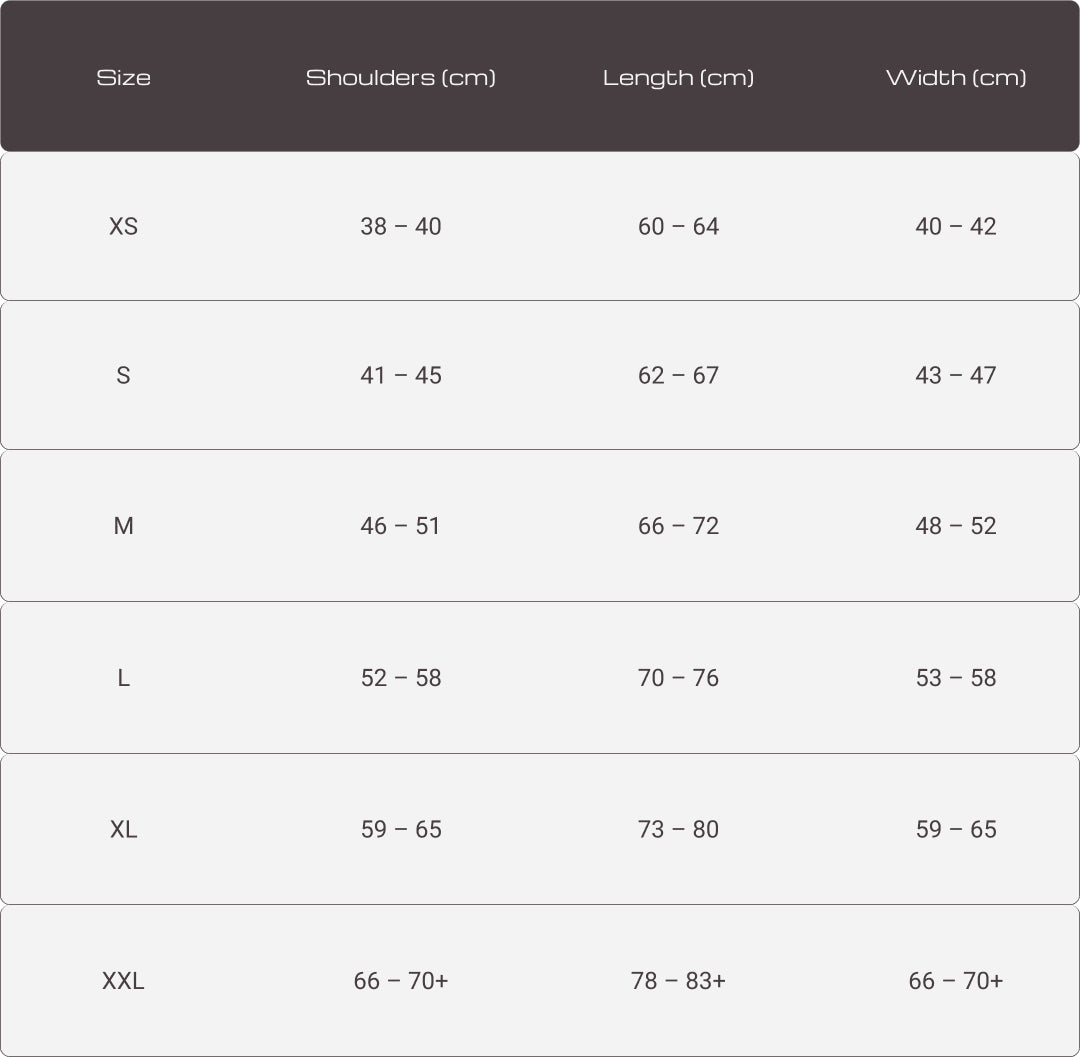
t-shirts, shirts, sweatshirts, jackets
Measurements for Tops
- Length: from the top (neck or shoulder) to the bottom of the garment.
- Shoulders: from left shoulder seam to right shoulder seam.
- Sleeve: from the shoulder seam to the end of the cuff (or, for short sleeves, to the edge).
- Width: armpit to armpit.
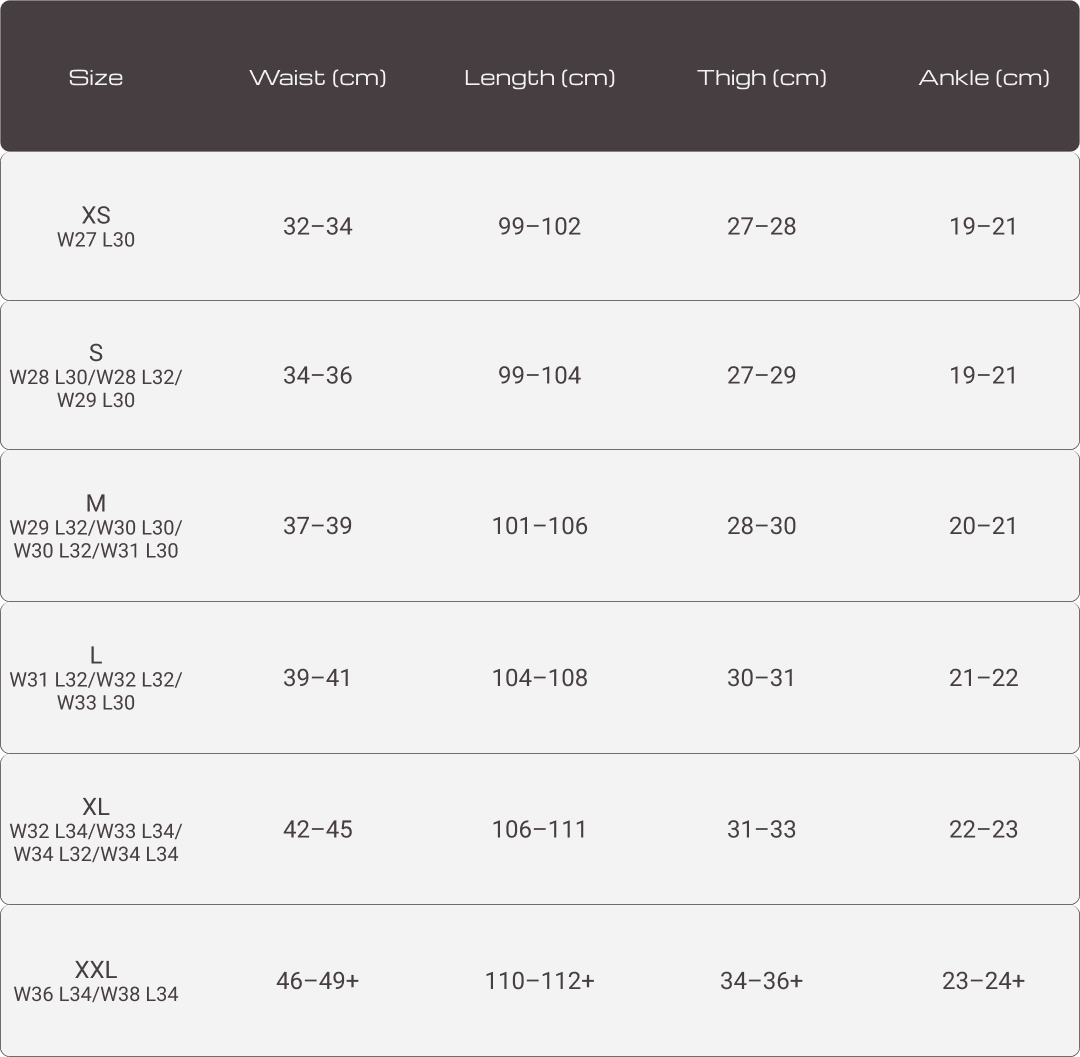
trousers, jeans, shorts
Measurements for Bottoms
- Waist: Measured at the top of the pants, from side to side.
- Total length: from waist to bottom of leg.
- Thigh: Width measured approximately 2-3 cm below the crotch seam.
- Leg opening: width of the leg at the hem.
What to Consider When Choosing
Determining the right size for vintage clothing requires more attention than for modern clothing, but our standardized measurements allow you to make an informed and accurate choice.
👉 We always recommend relying on the measurements 📏 given in the description of each item, rather than the size on the label.